Featured
How "Debt Forgiveness Ruins Your Future" Debunked can Sav...
The Facts About How Tech Improving Debt Counseling Uncovered
:max_bytes(150000):strip_icc()/debtrestructuring.asp_final-a64fcb2c01704710bc55061e4304ce7d.png)
The 2-Minute Rule for Maintaining a Healthy Budget That L...
The 25-Second Trick For Pricing Honesty That Housing Counseling Services : APFSC Guidance for Homeownership Experts Eliminate
Table of Contents
That liberates money in the short-term, and you may have three to four years to save toward the negotiation amount. Really dangerous to credit report, mainly as a result of missed repayments and an adverse "settled" mark that could remain on your debt record for as much as seven yearsMay be just alternative if various other choices (financial debt consolidation, balance transfer charge card, financial obligation mercy) aren't possibleTypically needs a fee to the 3rd party, which can balance out some or all of the savings from debt settlementMay aid you stay clear of personal bankruptcy if you've missed out on several paymentsNot all financial institutions deal with financial debt negotiation companies Debt forgiveness may be appropriate for you if you are experiencing a monetary difficulty that makes it almost impossible to pay down your financial obligation balances.
With a DMP, you make one month-to-month payment to the credit rating therapy agency. Those funds are after that dispersed to financial institutions of your unsecured debts, such as bank card and installment financings. The agency collaborates with your creditors to decrease rate of interest or waive costs, yet some lenders might refuse such giving ins.
A debt consolidation financing combines your qualified financial obligations into one new financing. It can assist you pay down financial debt if you have the ability to secure a funding rate that's less than the typical rate of the accounts you're combining. Nevertheless, you have to refrain from acquiring debt on those recently removed accounts or your debt might expand also greater.
That gives you plenty of time to get rid of or considerably minimize your equilibrium while making interest-free payments.
Excitement About Restoring Personal Credit History Post Housing Counseling Services : APFSC Guidance for Homeownership
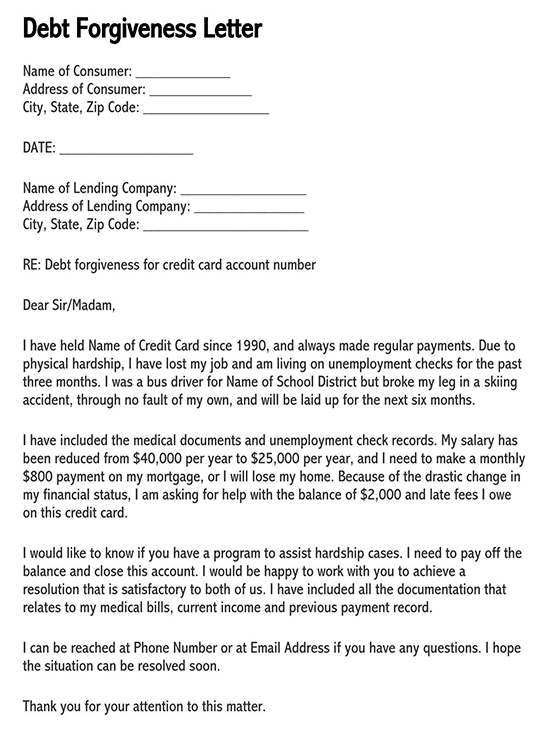
You may require it if your financial institution or a debt collection agency ever tries to accumulate on the financial obligation in the future. The letter could verify you don't owe what the debt collector's documents reveal. Yes, in many cases, the internal revenue service takes into consideration forgiven debt as taxable earnings. When a lender forgives $600 or even more, they are needed to send you Form 1099-C.
Financial obligation forgiveness or negotiation often harms your credit scores. Anytime you clear up a financial debt for less than you owe, it might look like "settled" on your debt report and influence your credit rating score for 7 years from the date of negotiation. Your credit report can likewise drop significantly in the months resulting in the forgiveness if you fall back on payments.
Legal Changes Influencing Debt Relief Availability Things To Know Before You Get This
Tax obligation financial obligation compromise programs Tax obligation financial debt occurs when the quantity of tax obligations you owe exceeds what you have paid. This situation frequently results from underreporting income, not filing returns on schedule, or disparities located throughout an IRS audit. The repercussions of building up tax obligation financial obligation are severe and can consist of tax obligation liens, which give the internal revenue service a lawful case to your residential or commercial property as safety for the debt.
Wages and Financial institution Accounts Internal revenue service can impose (seize) earnings and bank accounts to please the debt. Residential or commercial property Seizure In severe cases, the Internal revenue service can seize and offer home to cover the financial obligation.
Social Stigma Encountering legal action from the IRS can carry social stigma. Employment Opportunities An inadequate credit report score due to exhaust financial obligation can restrict employment possibilities. Government Benefits Tax financial debt might affect qualification for government benefits, such as Social Safety And Security and Medicaid.
6 Simple Techniques For Private Housing Counseling Services : APFSC Guidance for Homeownership Organizations Reviewed
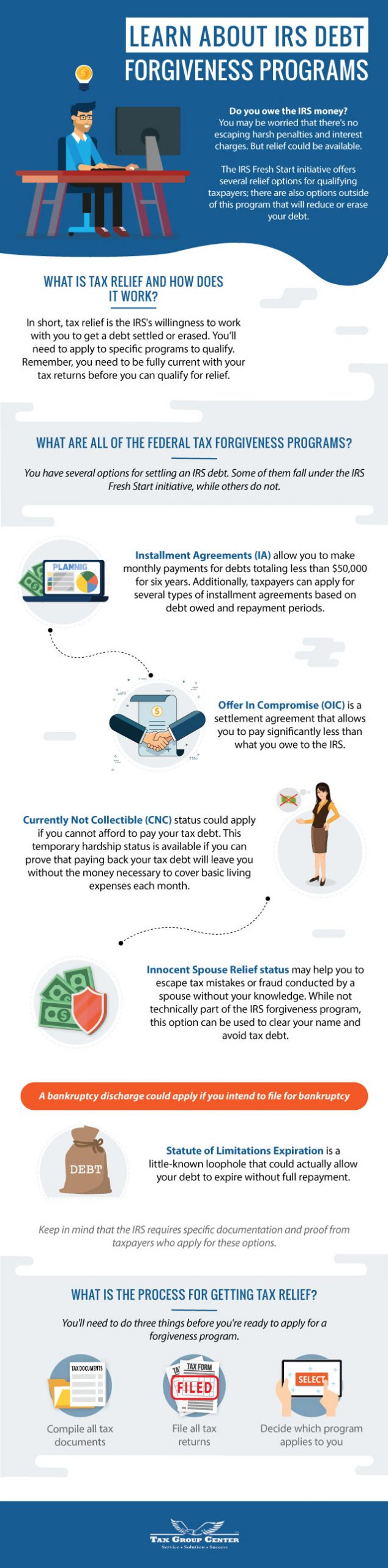
The OIC considers numerous aspects, consisting of the taxpayer's income, expenditures, property equity, and ability to pay. Effectively negotiating an OIC can be complex, calling for a comprehensive understanding of the internal revenue service's guidelines and a strong disagreement for why your offer lines up with your capacity to pay. It is very important to keep in mind that not all applications are approved, and the process calls for detailed monetary disclosure.
The IRS assesses your total financial circumstance, including your earnings, costs, possession equity, and capacity to pay. You need to also be existing with all declaring and settlement requirements and not be in an open bankruptcy case. The internal revenue service likewise considers your compliance background, evaluating whether you have a record of timely filing and paying tax obligations in previous years.
How Tech Makes Debt Relief Easier - Truths
The application process for a Deal in Compromise includes a number of in-depth actions. You have to complete and send IRS Kind 656, the Deal in Concession application, and Type 433-A (OIC), a collection details declaration for people. These kinds call for comprehensive financial details, consisting of details about your income, financial debts, expenditures, and possessions.
Back tax obligations, which are overdue taxes from previous years, can substantially enhance your overall IRS financial debt if not dealt with promptly. This financial obligation can accumulate passion and late repayment penalties, making the initial quantity owed a lot bigger over time. Failing to repay tax obligations can result in the internal revenue service taking enforcement activities, such as providing a tax lien or levy against your residential or commercial property.
It is essential to resolve back tax obligations asap, either by paying the sum total owed or by arranging a layaway plan with the internal revenue service. By taking proactive actions, you can avoid the build-up of extra passion and charges, and avoid a lot more aggressive collection actions by the IRS.
One common reason is the belief that the taxpayer can pay the sum total either as a lump amount or via a layaway plan. The IRS additionally considers the taxpayer's income, expenditures, possession equity, and future earning potential. If these variables indicate that the taxpayer can afford to pay more than the used quantity, the internal revenue service is likely to decline the offer.
Fascination About Financial Trends Impacting Rising Demand Are Seeking Housing Counseling Services : APFSC Guidance for Homeownership
It is important to give accurate and complete details in your application and to speak with a tax obligation specialist to improve the opportunities of acceptance. Managing internal revenue service financial obligation can be complex and complicated. Tax obligation specialists, such as CPAs, tax attorneys, or registered agents, can provide vital support. They have the knowledge to navigate the details of tax obligation regulation and IRS treatments.

Table of Contents
Latest Posts

About Permanent Effects on Your Credit Rating

How "Debt Forgiveness Ruins Your Future" Debunked can Save You Time, Stress, and Money.

The Facts About How Tech Improving Debt Counseling Uncovered
More
Latest Posts
About Permanent Effects on Your Credit Rating
How "Debt Forgiveness Ruins Your Future" Debunked can Save You Time, Stress, and Money.
The Facts About How Tech Improving Debt Counseling Uncovered